
What is a Bloj
the fabulous men of Romanian mythology and folklore, fertilizing symbol
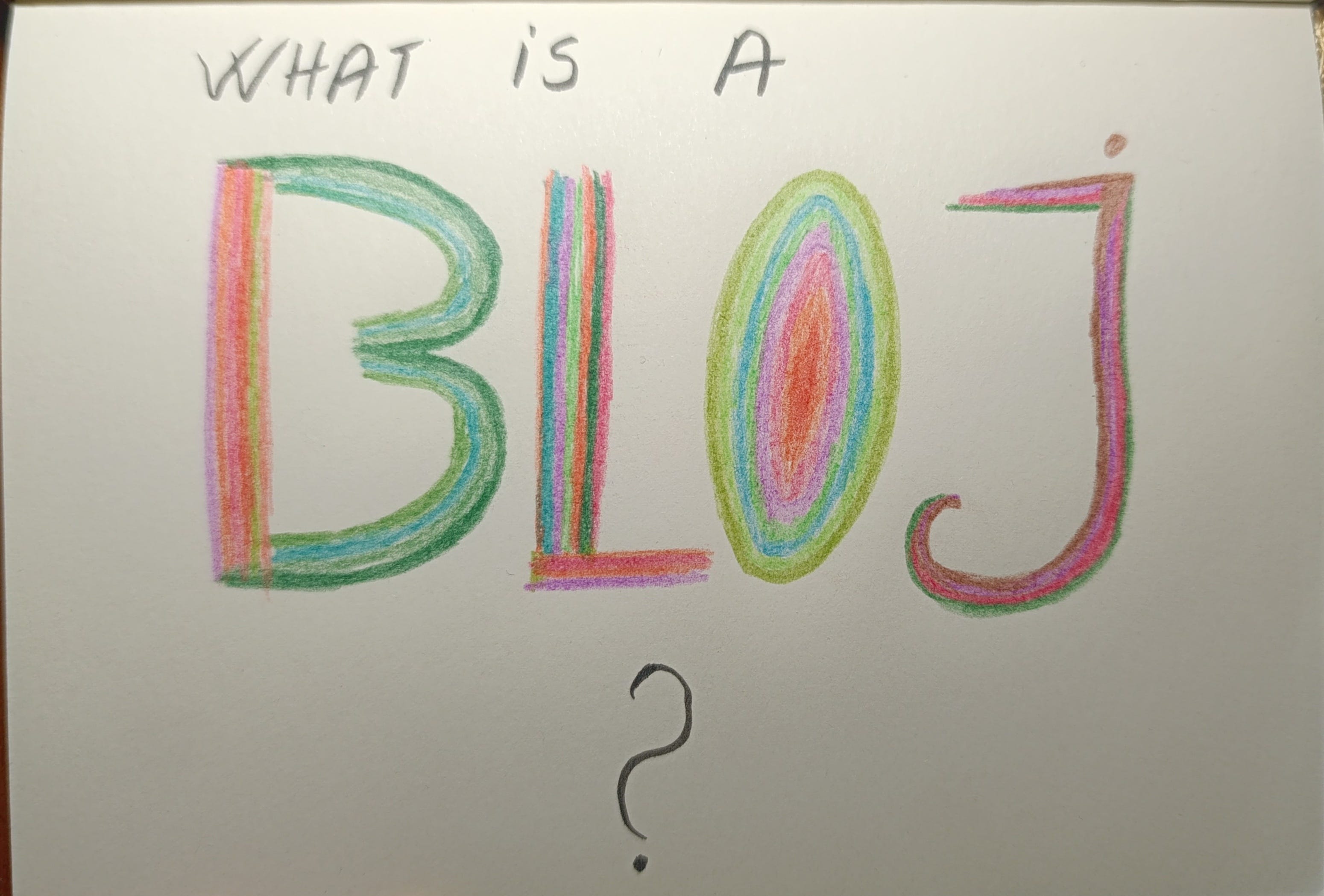
A couple of weeks ago I published a short story called Bloj. It featured the entity without making it super clear what he was.
That story is one in a series of 25 that will feature in some way fabulous male entities in Romanian mythology which I’m in the process of discovering and learning from. I have no way of knowing how clear they’ll be in the their fictional incarnations, so I decided it would be useful and fun to talk about each one.
I’m writing mainly about the male figures because I have a different project documenting the female ones in a much more comprehensive way, as characters in a novel. They were the first ones that caught my attention and inspired me. I might write about their significance here at one point. This particular series happened by mistake and it gave me the opportunity to explore the mythologies that didn’t catch my eye immediately, and process, rework them in new ways.
The primitive local mythological system didn’t have a hierarchical architecture until Christianity which contaminated a lot of pagan stories and changed them to include god, Jesus and saints. Beliefs of the populations that have lived here before the current era were mostly animistic, for them the whole world was alive and colaborating. In time the various parts of nature more troubling or more loved received humanoid shape. The creatures that lived in the primitive imagination alongside humans had mysterious and, at times, terrible powers, but people had agency and tools to fight them or use them, too. There isn’t one god ruling over the others, a royal family frolicking around and putting people and other entities in their place, but a democracy populated by fantastical beings who interact with humans in their own right. I enjoy this quite a lot, the two populations coming together in myriad different ways and creating stories in the process.
Bloj is a masculine paternal figure, usually senescent, which is strange as he is also a fertilizing symbol. In the ritualic dances celebrating a number of holidays (you might have heard of Călușari from older horror movies, they are bands of young dancers and singers in costume), the Bloj appears as a masked man, to represent its essence as other, ancestor transformed into something beyond human. The man playing him has a wooden phalus attached to his belt that is featured in the dance as a tool to fertilize the natural world, the crops, the livestock. It is a mute figure, many times accompanying other masks, the stag, the ox, the brezaia (a multicoloured creature that clamps its beak and dances lasciviously) which expresses itself in dance and pantomime sometimes pretending to seduce young women. In some regional traditions it represents Brezaia’s husband and they both perform a sexualized dance accompanied by songs with erotic undertones expressed through vegetal and animal metaphors. This dance is sometimes considered devilish and the people performing it are excluded from christian rites for a period of time.
He is one of a mythical population called Blajini. These are fantastical entities brough by the conquering peoples that have passed or settled and mingled with the existing cultures. Blajin is a word derived from the Serbian word for happy person (so of slavic origin), in Romanian meaning kind and gentle. They are believed to have been the first people to ever live on Earth, the primordial humans, some sources say the descendants of Adam’s third son Set, but most often the story says they were the people that existed before humans, who have either been punished to live underground or rewarded and live in a kind of paradisiacal place. The myth combines with the belief of the cyclical nature of existence, one world dies to make room for the next, but also with a concentrical vision of the universe with more layers of sky and more layers underground each with different worlds and inhabitants.
The first people appear under other names and guises in Romanian mythology, but I’ll discuss them as I encounter them. It’s also possible, from their other names Rohmani, Rocmani, Rahmani, that they can be identified with certain yogi populations, practicing nudity, that used to live in India and whose descriptions, brought by travelers, have been layered on top of local mythical believes about primordial humans.
The Blajini are sometimes dwarf-like, of diminutive stature and live either underground, at the end of the world, or in some more ethereal realm beyond our world but connected to it through Saturday’s water, a water that flows like a river. In Romanian this is a water that leads outside of human reach and it’s part of daily lingo. We say that everything that’s wasted is gone on Saturday’s water, time, effort, materials, you name it. But this aspect of mythical geography deserves an article of its own.
In the versions where they live underground they’re thought to support the pillars of the world though their essential nature. They’re peaceful, happy, virtuous never giving into any passions because they live in a sort of blissful ignorance, they have no knowledge of vices. They only have sex toward procreation for a short period once a year and live in separate male and female communities. Other stories see them as prisoners of either populations without faith or imprisoned for some deed no one knows about. According to some sources at the end of the world they will be brought back to the surface which is unique to Romanion cosmology which sees two similar types of people following each other in different eras of existence. They might have also been a remnant of an archaic pagan worship of ancestors.
The Blajin population have a holiday one week after Easter, on a Saturday (also called the Saturday of the dead) or a Monday, when people used to throw bits of food and drink in the nearest flowing water to feed the Blajini and receive health and fertility for their crops and households. It was traditional to throw the eggshells used to make the celebratory confections for Easter in the water, which let the Blajini know the holiday had arrived. It’s pretty clear this holiday, which is sometimes observed by abstaining from work, has been layered over an archaic celebration of a spring godhead which died and revived with the seasons.
I of course retain the privilege of only taking inspiration from all this and fashioning his appearance to suit my stories.
I had never heard of this but I’m so glad I read this. Fascinating! Thanks for sharing.
This is just fascinating